Richtig Müll trennen in Graz

Plastic Bag

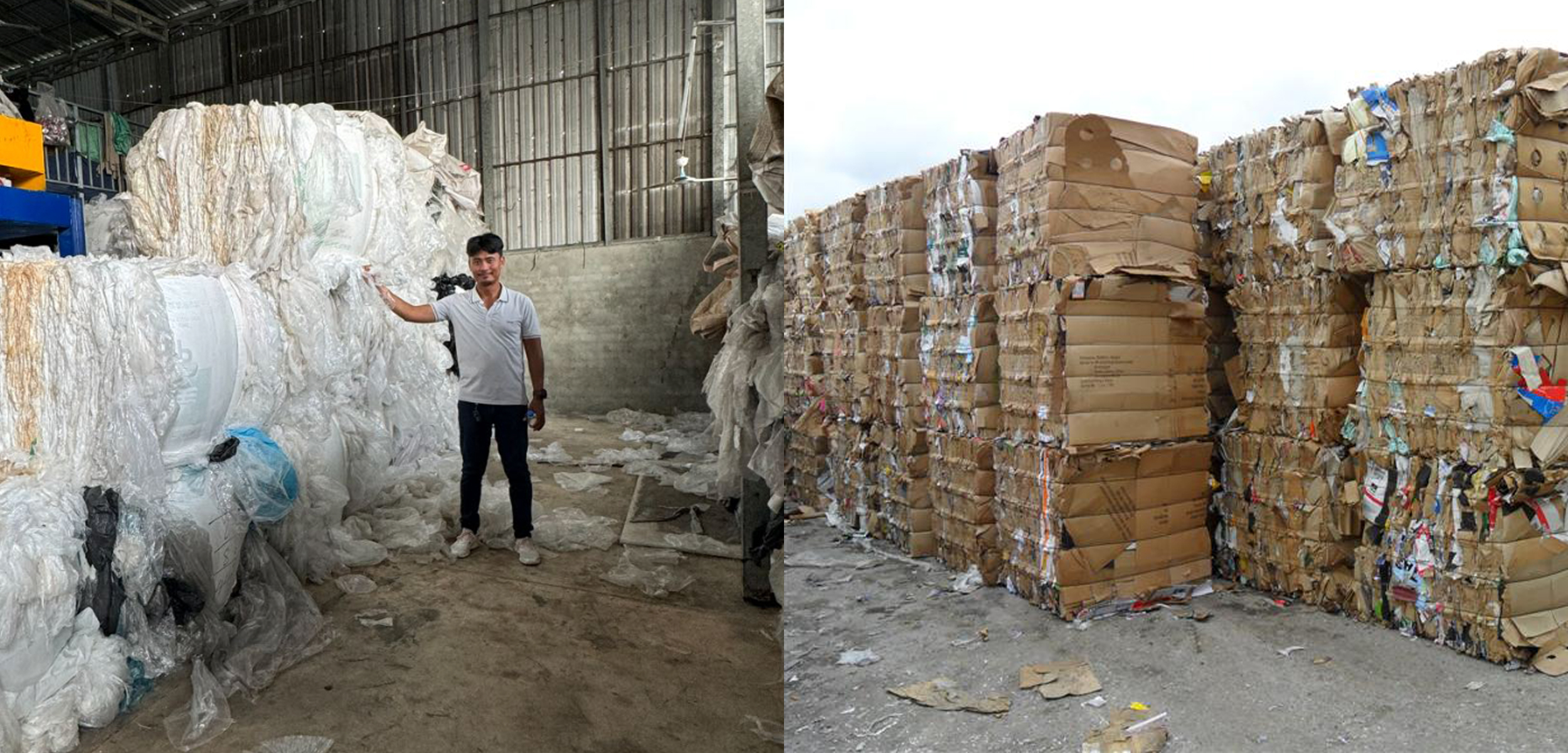
For plastic bag waste, we have a high market demand for collection and supply. The types of plastic bags recycle we have the most demand for are PETE and HDPE, which we can collect on average 150 tons per month, and we will expand to 300 tons in the near future..
  • Collection
  • Sorting
  • Cleaning
  • Shredding
  • Melting and Extrusion
  • Repurposing
  • Bags with food residue
  • Biodegradable or compostable bags (different material)
  • Crinkly plastic (like chip bags or candy wrappers)

Paper

Our waste paper recycling process often involves mixing used/old paper with water and chemicals to break it down. It is then shredded and heated, which further breaks it down into strands of cellulose, a type of organic plant material that can be recycled. Currently, we can collect waste paper in volumes ranging from 100 tons per month, mostly PAP.
  • Verpackungen aus Kunststoff wie zB
  • Joghurtbecher
  • Folien
  • PET-Leichtflaschen
  • Flaschen aus Keramik
  • Blister
  • Waschmittelflaschen
  • Knabbergebäck- und Teigwarensackerl
  • Getränkekartons (alternativ in die „ÖKO-Box)
  • Haushaltsgegenstände aus Hartplastik wie zB
  • Blumentöpfe
  • Spielzeug
  • Gartenschlauch

Warehouse

For the size of our plastic bag recycling warehouse, we have 2,000 square feet where we can store up to 350 tons of waste paper, and we will expand further in the near future to meet the needs of our partners. And for our paper recycling warehouse, we have over 3,400 square feet where we can store up to 300 tons of waste paper in the warehouse, and we also have plans to expand further.

Our Production

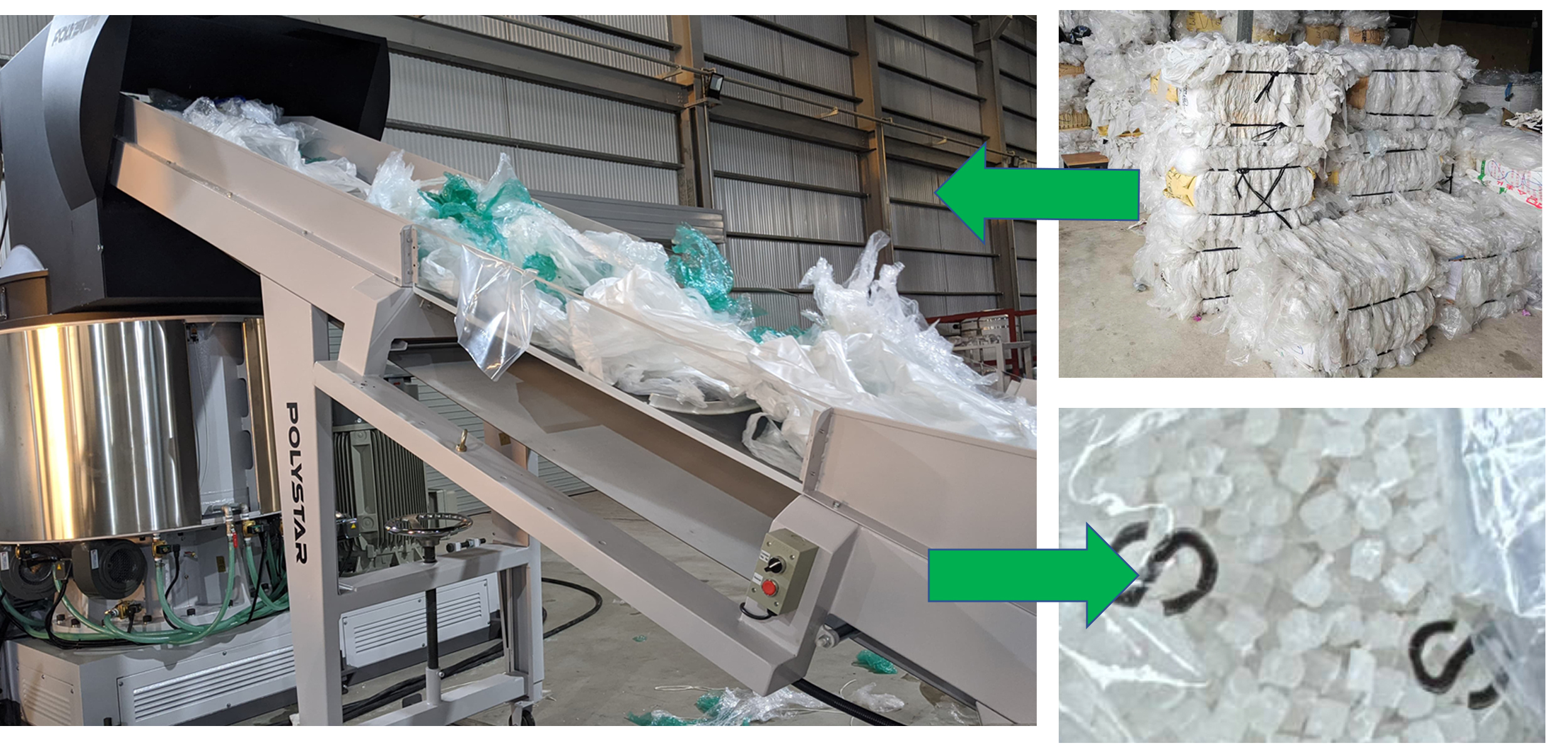
Our recycling process is a professional process of plastic bag recycling, plastic bag recycling - our production process.
1. Collection and sorting Sorting: Bags are sorted by type (LDPE, HDPE, etc.), color and contamination level. Removal of contamination: non-recyclable materials.
2. Cutting The cleaned plastic bags are fed into a shredder that cuts them into small pieces or uniform plastic sheets, which improves the efficiency of the process.
3. Washing The shredded plastic is thoroughly washed to remove:
Dirt and labels, Oil or adhesives, Residual contaminants. Multiple washing stages (cold water, hot water and detergent) may be used.
4. Drying The washed plastic sheets are mechanically dried using centrifuges and hot air dryers to reduce moisture.
5. Extrusion and Pelletizing The dry plastic is melted in an extruder and passed through a screen filter to remove any remaining impurities. The melted plastic is cut into plastic pellets (pellets) through a pellet mill. These recycled pellets serve as raw materials for the production of new plastic products.
* Benefits of our process
Environmental impact: Reduces landfill waste and carbon footprint.
Circular economy: Promotes the reuse of plastic materials.
Quality control: Ensures high-quality recycled plastic suitable for a wide range of applications.
Corporate Partners

Contact us

* Contact Form: DR Scrap Recycling
* Email Address: thearit.cam@gmail.com
* Phone Number: +855 10 615 666 / 12 722 224
* Address: House No. 126, Sangkat Prey Sar, Khan Dangkor, Phnom Penh.
* Live Chat,Telegram, WhatsApp: +855 10 615 666 / 12 722 224
* Facebook Page: DR Scrap Recycling